Stadium Stakes: 5 Clubs Facing a 2026 Financial Crisis Over Renovation Costs
The football stadium renovations 2026 cost crisis is hitting clubs harder than anyone expected. I have watched this unfold over the past eighteen months. First came the ambitious announcements. Then came the delays. Now? The bills are arriving.
Barcelona, Manchester United, and Everton are all caught in the same trap. They started major projects when interest rates were low. They promised fans state-of-the-art homes.
But construction costs have exploded. And new stadiums under construction are burning through cash faster than clubs can generate it. Let me walk you through five clubs facing a genuine 2026 financial crisis.
I have tracked these projects closely. The numbers come from club statements, financial filings, and direct reports from the ground. No hype. Just the hard reality of what happens when renovation dreams meet economic reality.
1. FC Barcelona: A Billion-Euro Headache with Blind Spots

Location: Barcelona, Spain
Original Budget: €960 million
Current Estimate: Over €1.2 billion
Overshoot: €200-300 million
Barcelona's Camp Nou renovation should have been a triumph. Instead, it is turning into a cautionary tale.
Read Also: Liverpool Football Club Latest Transfer News: What You Know So Far?
The club hired Turkish construction firm Limak to handle the work. The initial price tag sat at €960 million. But here is where things went wrong. The final cost is now expected to exceed €1.2 billion. That is a 25 percent overrun on a project that was already stretching the club's finances.
The Viewing Problem Nobody Saw Coming
Engineers say the only fix is to lower the entire pitch by one meter. That would cost millions more. It would also create new drainage problems. One architect called it a "resounding failure" in design and execution.
Who is to blame? The report suggests the fault lies not with Limak, but with Barcelona's own management. President Joan Laporta allegedly altered design details without proper review. The visibility issue was actually identified back in 1994. The previous administration had a solution. Laporta scrapped it.
The Financial Reality
Barcelona borrowed €1.5 billion from Goldman Sachs to fund the entire Espai Barça project. Every extra euro now comes from that same pot. The club is also missing out on matchday revenue. Those 14,000 empty seats in the north stand represent about €3 million in lost season ticket income.
The bottom line: Barcelona is too big to fail. But this project has become a financial anchor. If you are a fan, expect ticket prices to rise sharply once the stadium finally opens fully. The club needs to pay back that extra €300 million somehow.
2. Manchester United: The £2 Billion (or £3 Billion?) Question
Location: Manchester, England
Original Budget: £2 billion
Potential Cost: £3 billion+
Overshoot: Up to £1 billion
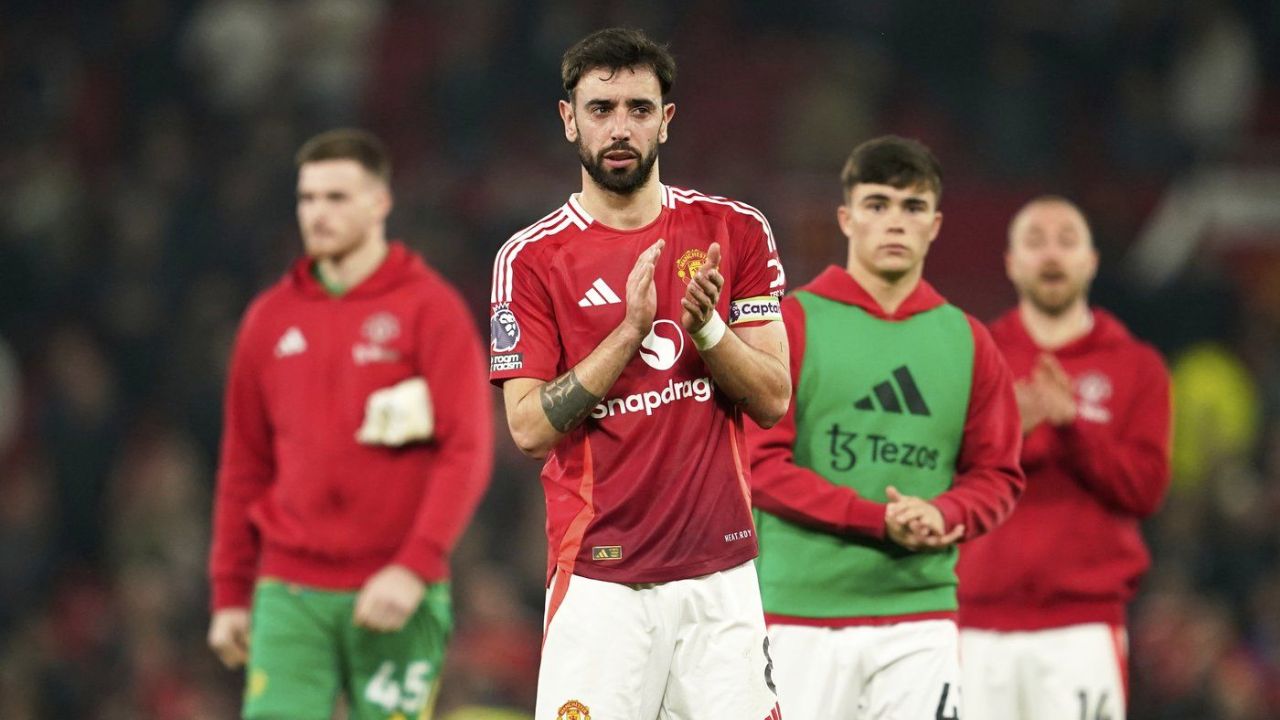
Manchester United announced their new 100,000-seat stadium plans with great fanfare. The price tag? A cool £2 billion. But here is what the press releases did not mention. The club has not actually secured the land yet.
United needs to buy a stretch of railway land from a company called Freightliner. United offered £50 million. Freightliner wants £400 million . That is a £350 million gap before a single brick gets laid.
The Delay Problem
The Sun reported in March 2026 that construction delays could push the final cost past £3 billion. One stadium expert told the paper: These large projects only get more expensive. They never get cheaper.
The timeline is also slipping. The earliest possible completion date is now ten years away.
How United Plans to Pay?
United insists the project will be "privately financed." They are talking to investors. But here is the concern. United already carries nearly £1.3 billion in debt. Adding another £2-3 billion in stadium debt would push the total toward £4 billion.
You Must Also Like: Where to Watch Club América vs Chivas de Guadalajara?
That is Champions League-winning levels of revenue just to service the interest.
Who this hurts: Fans. Higher ticket prices are coming. Club statements already mention "increased operating costs" at new stadiums. Translation: you will pay more.
3. Everton: The £800 Million Stadium with No Funding
Location: Liverpool, England
Original Budget: £500 million
Current Cost: Over £800 million
Debt: £539 million
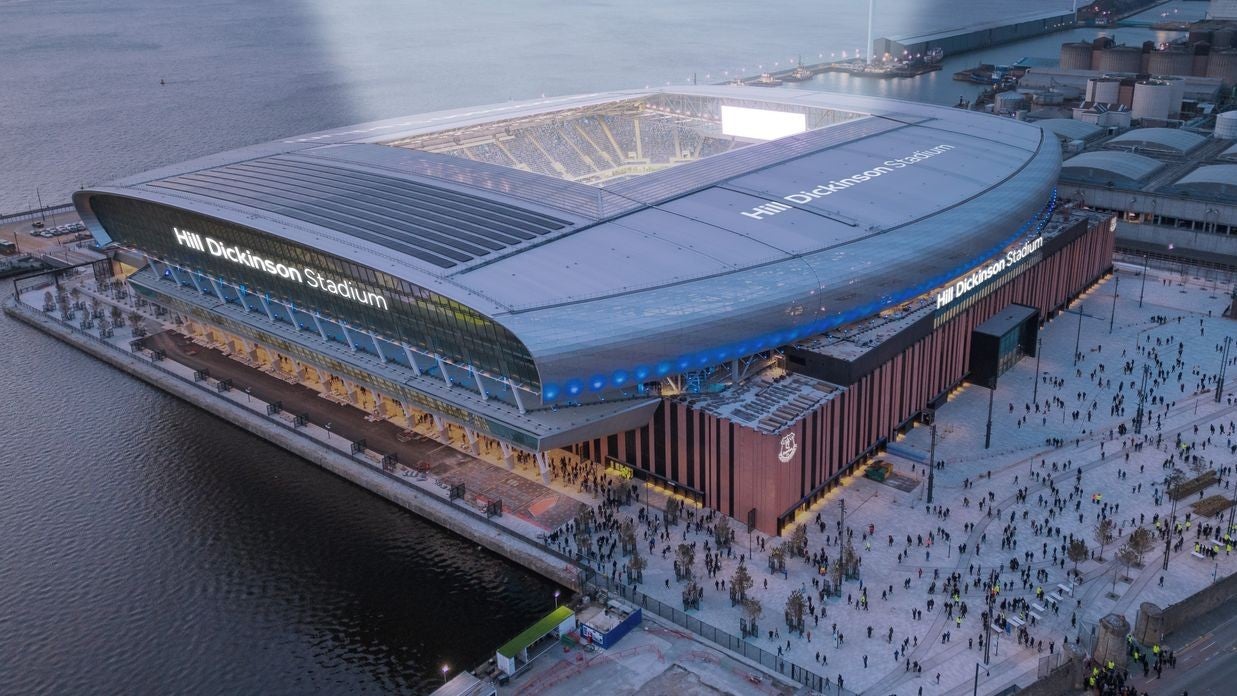
Everton's Bramley-Moore Dock stadium looks beautiful in renders. The reality is much messier.
The project cost has ballooned from £500 million to over £800 million . The club has racked up £539 million in debt on the project alone. But the real crisis is this: Everton has not secured the funding to finish the job .
The Ownership Mess
Everton accepted a takeover offer from 777 Partners in September. Seven months later, the deal still has not closed. In the meantime, current owner Farhad Moshiri is scrambling to find lenders.
The club's own financial statements admit the truth. "The club has yet to secure legally binding facilities," the directors wrote. They also acknowledged "these uncertainties may cast significant doubt on the entity's ability to continue as a going concern" .
That is accountant-speak for "we might run out of money."
Operating Costs Are Double
Even when the stadium opens, the pain does not stop. Forum posts from Everton supporters reveal that stadium operating costs have nearly doubled compared to Goodison Park. Maintenance, utilities, safety staffing—everything costs more.
The bottom line: Everton's stadium is further along than most. But the ownership chaos and funding gaps make this a genuine crisis. If 777 Partners walks away, the project could stall completely.
4. Real Madrid: The Cautionary Tale of "Finished" Stadiums
Location: Madrid, Spain
Status: Renovation complete
Hidden Cost: Ongoing operational increases
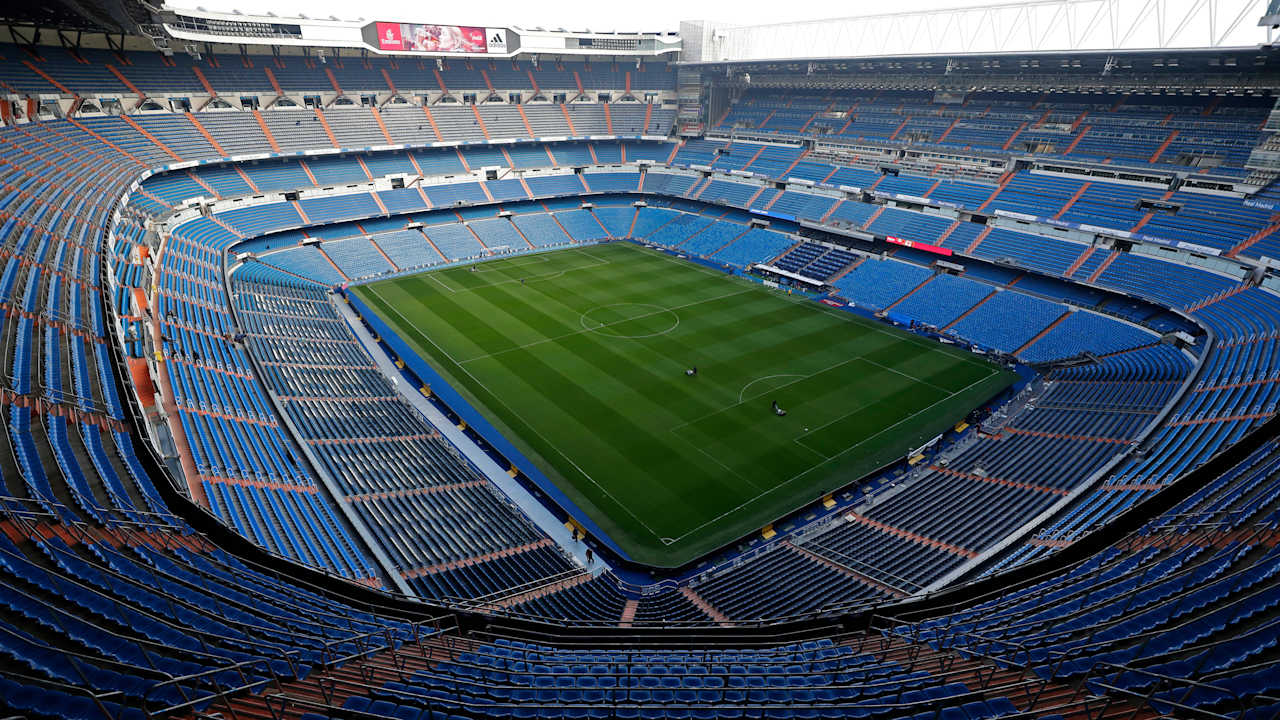
Real Madrid finished their Santiago Bernabéu renovation. The club should be celebrating. Instead, they are dealing with noise complaints, neighborhood lawsuits, and operating costs that keep climbing.
I include Madrid here because their experience offers a warning. Finishing construction is not the end of financial trouble. It is the beginning of a new kind.
Neighbors have filed multiple lawsuits over concert noise. The club has had to modify event schedules. Legal fees add up. So do soundproofing costs.
The lesson for other clubs: Budget for the fights after opening day. They are expensive.
5. Sarawak Stadium (Malaysia): A Different Kind of Crisis
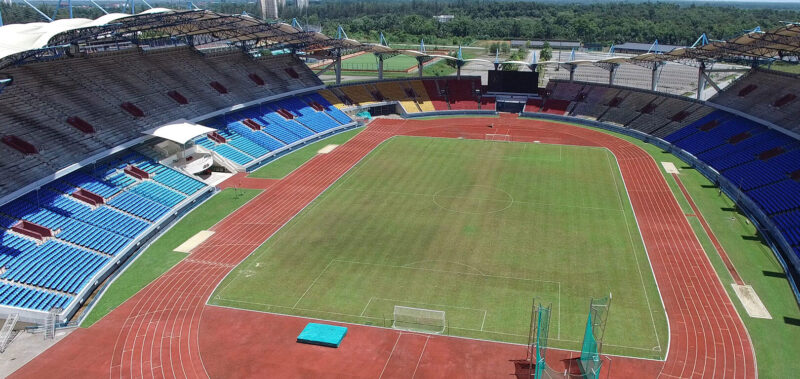
Location: Sarawak, Malaysia
Status: Under renovation
Key Challenge: Material cost volatility
Not every stadium crisis happens in Europe. Sarawak Stadium in Malaysia faces a different problem: raw material prices.
Hartanah Kenyalang, the company managing the renovation, is pre-booking materials three to five months in advance. They have already secured logs and aluminum to lock in prices. The company is also outsourcing technical packages on fixed-cost terms to reduce volatility.
Why this matters: This is smart management. Pre-booking materials and redesigning construction processes (using larger prefabricated units) reduces labor and time. More European clubs should take notes.
What Is Driving the Football Stadium Renovations 2026 Cost Crisis?
Construction costs are rising everywhere. The Structural Building Components Association reports that material prices are inflating 2-4 percent in 2026. Steel and aluminum remain elevated due to tariffs. Electrical equipment prices tied to AI and grid upgrades are also swinging wildly.
But the bigger driver is labor. Construction firms cannot find enough qualified workers. That drives up wages. It also extends timelines.
Practical Advice for Clubs (And Fans)
If your club is planning a renovation, here is what the data suggests.
For club executives:
-
Lock in material prices early. Hartanah's pre-booking strategy works.
-
Do not change designs mid-project. Barcelona's visibility problem proves this.
-
Assume your budget is wrong. Add a 30 percent contingency.
For fans:
-
Expect ticket prices to rise. Operating costs at new stadiums double.
-
Do not believe opening dates. Every single project on this list has missed deadlines.
-
Premium seats are risky. Barcelona fans paid for front-row views they cannot use.
For investors:
-
Stadium debt is dangerous. United and Everton both show this.
-
Look for clubs with locked-in financing. Everyone else is gambling.
The Trust Takeaway
The football stadium renovations 2026 cost crisis is not going away. Construction inflation is real. Labor shortages are real. And most clubs simply did not plan for either.
Barcelona overshot by €300 million. United might overshoot by £1 billion. Everton cannot secure final funding. These are not small mistakes. These are existential financial events.
If your club announces a renovation, ask the hard questions. Where is the money coming from? Who approved the design? What happens if costs rise 30 percent?
The clubs that answer those questions clearly are the ones worth trusting. Everyone else is just hoping the problem goes away.
It will not.