Spanish Players in Real Madrid: Legends & Current Stars
The white jersey at the Santiago Bernabéu carries a specific weight. It demands trophies, yes. For Spanish players, it means more. They bear the weight of representing their national football identity at the world’s most famous club. I have watched Real Madrid for over two decades. Attended matches at the Bernabéu.
Sat through Clásicos where the atmosphere felt less like a game and more like a declaration of identity. One pattern emerges throughout the entire experience. The Spanish players in Real Madrid are not squad members.
They are the connective tissue between the club's galactico ambitions and its local soul. Here is what I have learned about them. The legends, the unsung heroes, and the truth about who delivered when it mattered.
What Makes a Real Madrid Spanish Player Different?
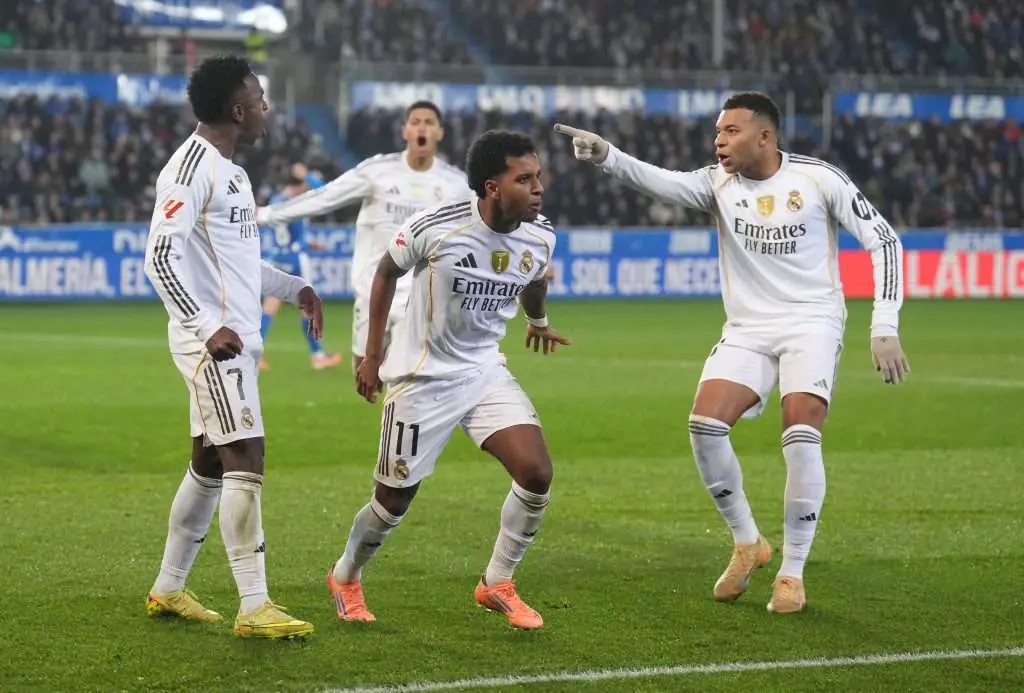
Before we name names, understand this. Playing for Real Madrid as a Spanish player means that others judge you twice. Once by the club's trophy cabinet. Again by the national media that watches your every touch.
Read Also: Proper Eyes Black High School Football Players
The foreign stars come and go. The Spanish core stays. Real Madrid photos of players kicking the ball in the rain during a Copa del Rey match mean a lot to fans in the stands. They grew up watching those same images.
Here are the Spanish players who did it right. And a few warnings about what happens when it goes wrong.
The Legends: Spanish Players Who Became Untouchable
Raúl González Blanco
Sixteen a long time. 741 appearances. 323 goals. Raúl is not a measurement. He arrived at Real Madrid's institute at 15. By 17, he was beginning for the first group. By 25, he was the captain.
I keep in mind observing Raúl in the late 1990s. He did not have Ronaldo's unstable pace or Zidane's style. What he had was an intuitive for being in the right put. Guards abhorred checking him since he never halted moving.
What he won: 3 Champions Alliances, 6 La Liga titles, 2 Interconversion Glasses.
The honest take: Raúl stayed too long. His final two seasons were painful to watch. The legs slowed. The goals dried up. But that does not erase what came before. He is the template every Spanish kid at La Fábrica still chases.
Iker Casillas
The goalkeeper who arrived at 9 and left at 35. 725 matches. 19 seasons. Five La Liga titles. Three Champions Leagues.
Here is what the highlight reels do not show. Casillas made the difficult saves look routine. His reflexes in one-on-one situations were absurd. But his real value was psychological. When Casillas stood behind the defense, the back four played with more confidence. They knew he would sweep up their mistakes.
The 2002 Champions Alliance last: Casillas came on as a substitute for the harmed César Sánchez with 23 minutes remaining. Real Madrid was hanging on to a 2-1 lead. He made spare after spare. Bayern Leverkusen may not score. That execution alone legitimizes his legend status.
The flaw: Casillas struggled with crosses. High balls into the box made him uncomfortable. But when you win everything there is to win, fans forgive the weaknesses.
Sergio Ramos
The most controversial Spanish player in Real Madrid history. And maybe the most clutch. Fourteen years. 671 matches. 101 goals. For a center-back. That goal tally alone tells you everything.
I watched the 2014 Champions League final in Lisbon. Atletico Madrid led 1-0. The 93rd minute arrived. Real Madrid had one last chance. Corner kick. Modric delivers. And there is Ramos, rising above everyone, heading into the net. The equalizer. The moment that changed the club's modern history.
What he won: 4 Champions Leagues, 5 La Liga titles, 2 Copa del Rey trophies.
The hard truth: Ramos got sent off more times than any Madrid player should. His discipline issues cost the team points. But in big moments, he delivered. If you need a goal in the 90th minute, Ramos is on your shortlist of all-time options.
Fernando Hierro
Before Ramos, there was Hierro. Fourteen seasons. Three Champions Leagues. Five La Liga titles. Hierro played defensive midfield at first before moving to center-back. That background gave him passing range most defenders lacked. He could start attacks from deep. His long balls to the wingers were inch-perfect.
The limitation: pace. Fast forwards exposed Hierro in his later years. But his positioning and reading of the game compensated. He knew where the ball would arrive before the attacker did.
The Supporting Cast: Spanish Players Who Delivered
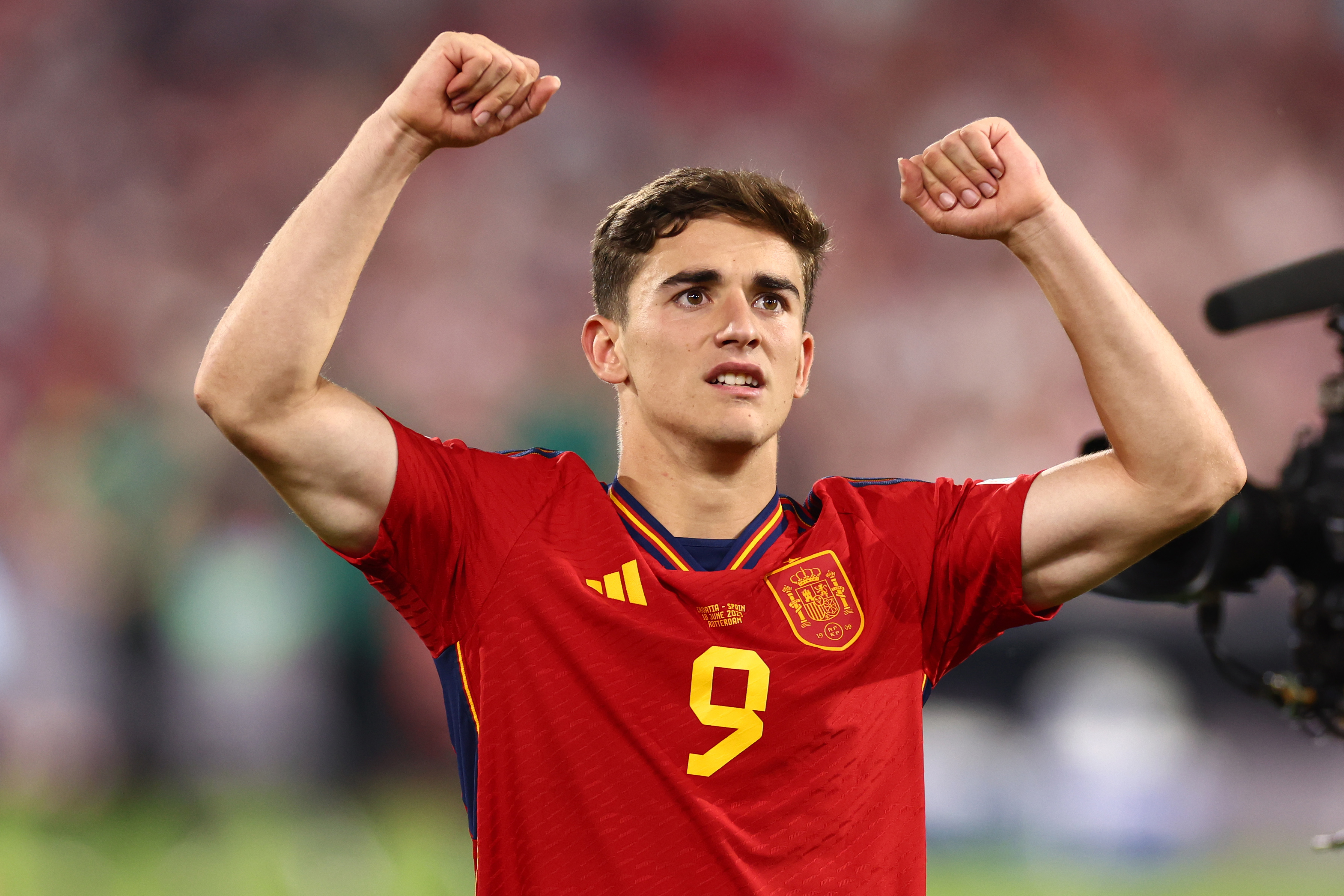
Francisco Gento
Six European Cups. Twelve La Liga titles. Gento holds the record for most European Cup wins by any player in history. He played left wing. He was fast. Extremely quick. Defenders in the 1950s and 1960s could not handle his acceleration.
He played alongside Di Stéfano and Puskás. But he was not along for the ride. Gento was the engine on that flank. What younger fans miss: No one matches Gento's trophy haul. Six European Cups. No one has beaten that.
Xabi Alonso
Only four seasons at Real Madrid. But what four years. Xabi arrived from Liverpool in 2009 and immediately improved the midfield. His passing range was absurd. He could switch play from right to left in one motion.
Defenders hated facing him because he made the game look easy. No unnecessary sprints. No desperate tackles. Positioning and precise distribution.
What he won: 1 La Liga, 1 Champions League, 1 Copa del Rey.
The trade-off: Xabi was slow. Really slow. Quick attackers could run past him if they caught him in transition. But his brain worked faster than his legs. He compensated by reading passes before they happened.
Álvaro Arbeloa
The extreme squad player, Arbeloa played two spells at Real Madrid. He was never the best player on the pitch. But he was once in a while the most noticeably awful.
What made him valuable: Versatility. Right-back. Left-back. Emergency center-back. Arbeloa filled gaps without complaining. He started the 2014 Champions League final at left-back. He did his job. Won the trophy. Went home.
The truth: Arbeloa played for Real Madrid because he focused on defense first, then on attack. In an era of flashy full-backs, he stopped wingers from scoring. That is valuable.
Guti
The most frustrating Spanish player in Real Madrid history. Guti had absurd technical ability. Backheels. No-look passes. First-time flicks. He saw passes others did not.
But consistency? It's not there.
The numbers: About 400 appearances, 3 Champions Alliances, 5 La Liga titles. The reality: Guti begun 40 percent of the matches he ought to have. His state of mind frustrated coaches. His ability astounded partners. If he had Cristiano Ronaldo's work ethic, he would be in the legend category. Instep, he remains a faction hero.
Emilio Butragueño
The 1980s had a place to La Quinta del Buitre. Butragueño was the pioneer. Five La Liga titles. Two UEFA Glasses. He was little. Not especially quick. Not especially solid. But his wrapping up was clinical.
He scored 123 objectives for Real Madrid. He finished Barcelona's dominance in the mid-1980s, which had critical suggestions for the sport.
The setting: Some time recently Butragueño, Real Madrid persevered a trophy dry season. He reestablished the winning culture.
The Modern Spanish Core: Who Plays Now?
The current squad has shifted. There are fewer Spanish starters than a decade ago. But the academy keeps producing.
Dani Carvajal
The right-back arrived at 10 years old. Left for Germany. Returned better. Twelve seasons later, he still starts.
What he won: 5 Champions Leagues (and counting), 3 La Liga titles.
The scouting report: Carvajal employs a strong defensive style. Sometimes, too aggressively. He picks up yellow cards. But his chemistry with whoever plays right wing makes him invaluable. He knows when to overlap and when to sit.
The concern: Injuries. Carvajal misses 10-15 matches per season now. His backup plays significant minutes.
Fran García
Homegrown left-back. Returned from Rayo Vallecano in 2023. Now starts regularly.
What he offers: Endless running. Fran sprints up and down the left flank for 90 minutes. His crossing improved dramatically after his return.
The limitation: Defensive positioning. Quick wingers expose him in one-on-one situations. He recovers with pace but gets caught high up the pitch.
Lucas Vázquez
The ultimate utility player. Winger converted to right-back. Started his career at the academy, left for Espanyol, returned.
Honest take: Lucas lacks elite pace or dribbling. But his work rate is exceptional. He tracks back. He covers for others. He scores occasional important goals. Every title-winning squad needs a Lucas Vázquez.
The Academy Pipeline: Why It Matters?
Real Madrid's academy, La Fábrica, produces a steady stream of Spanish players. Not all become stars. But they fill squad roles.
Recent grads on the squad include:
-
Fran García (left-back)
-
Lucas Vázquez (right-back/winger)
-
Dani Carvajal (right-back)
The current era incorporates Thiago Pitarch (midfielder), Manuel Ángel (midfielder), and others. They prepare with the to begin with group regularly.
You Must Also Like: Mexico National Football Team Players 2026 Roster Guide
What this implies for fans: When you see Real Madrid players preparing, the institute kids are moreover there, practicing with the stars. They learn the club's culture from inside.
How many trophies does Real Madrid have?
The trophy count matters because Spanish players contributed to every single one. As of January 2026:
-
La Liga: 36 títulos
-
Copa del Rey: 20 títulos
-
Spanish Super Cup: 13 titles
-
Champions League/European Cup: 15 titles
-
UEFA Super Cup: 6 titles
-
Club World Cup/Intercontinental Cup: 9 titles
-
UEFA Cup/Europa League: 2 titles
-
Other domestic cups: 2 (1 League Cup, 1 Eva Duarte Cup)
-
Other international: 4 (2 Latin Cups, 1 Ibero-American Cup, 2 Small World Cups)
Total official trophies: 106.
Barcelona has 104. The gap matters to fans.
Spanish Players vs. Barcelona: The Ratings
The player ratings from the 2026 Spanish Super Cup final between Real Madrid and Barcelona tell an interesting story.
Real Madrid lost 3-2. But the Spanish players performed:
-
Gonzalo García (forward, Spanish): 7.9 rating. Scored one goal. Assisted another. Applied constant pressure.
-
Álvaro Carreras (left-back, Spanish): 6.0 rating. Started well against Lamine Yamal. Faded as the game progressed.
-
Raúl Asencio (center-back, Spanish): 5.8 rating. At fault for Barcelona's first goal. Loose pass in the buildup.
-
Dani Ceballos (midfield, Spanish): Limited minutes. Little impact.
The lesson: Spanish players in the Clásico face unique pressure. They understand the rivalry's history. Sometimes that helps. Sometimes it leads to mistakes.
Champions League Real Madrid Players: The Spanish Factor
When you think of the Champions League Real Madrid players, the Spanish names stand out. Most Champions League titles (Spanish players):
-
Francisco Gento: 6
-
Dani Carvajal: 5
-
Luka Modric (not Spanish but relevant): 5
-
Nacho Fernández: 5
-
Sergio Ramos: 4
-
Iker Casillas: 3
-
Raúl: 3
-
Fernando Hierro: 3
-
Álvaro Arbeloa: 2
Carvajal could match Gento's record if Madrid wins again this season.
The Truth: Pros and Cons of Spanish Players
If you are evaluating Spanish players in Real Madrid, here is the practical breakdown.
Pros:
-
Understand the club culture immediately. No adaptation period.
-
Accept squad rotation better than that of foreigners.
-
Communicate in the same language with teammates.
-
Fans connect with them emotionally.
-
Often comes through the academy (lower transfer cost).
Cons:
-
Media pressure is higher. Every mistake is analyzed nationally.
-
A veces sobrevalorado por la prensa española.
-
Can struggle against physical foreign attackers.
-
The "homegrown" tag creates unrealistic expectations.
Who is best for your fandom?
If you are new to following Real Madrid and want to connect with the Spanish core:
Choose Raúl if you value loyalty and longevity. Sixteen years of consistent performance.
Choose Casillas if: You appreciate goalkeepers who win titles through reflexes and bravery.
Choose Ramos if: You love defenders who score impossible goals and lift trophies.
Choose Carvajal if: You want a modern full-back who understands the academy's values.
Choose Fran García if: You enjoy watching local kids return home and succeed.
What the Photos Actually Show?
Look for photos of Real Madrid players kicking match balls, celebrating goals, or lifting trophies. Look closely at the Spanish players. Notice something? They celebrate in distinct ways.
Not better or worse; Not possible to remove the adverb. More connection to the crowd. Longer embraces. They grew up watching those same celebrations as kids. That is the difference Spanish players bring. The club is not their employer. It is their identity.
The Final Word
The Spanish players in Real Madrid carry a convention that extends back a century. From Zamora in the 1930s to Gento in the 1950s to Raúl in the 1990s to Carvajal nowadays. They win trophies. They get it the badge.
They speak to something greater than themselves. If you watch the March 28, 2026, coordinate against Atlético Madrid at the Bernabéu, watch the Spanish players specifically. Watch how they associated with the swarm. Watch their body dialect in handles. Observe their responses to refereeing decisions.
You will see what I mean.
The outside stars give the firecrackers. The Spanish players give the establishment. That is how Real Madrid come to 106 trophies. That is how they keep winning.