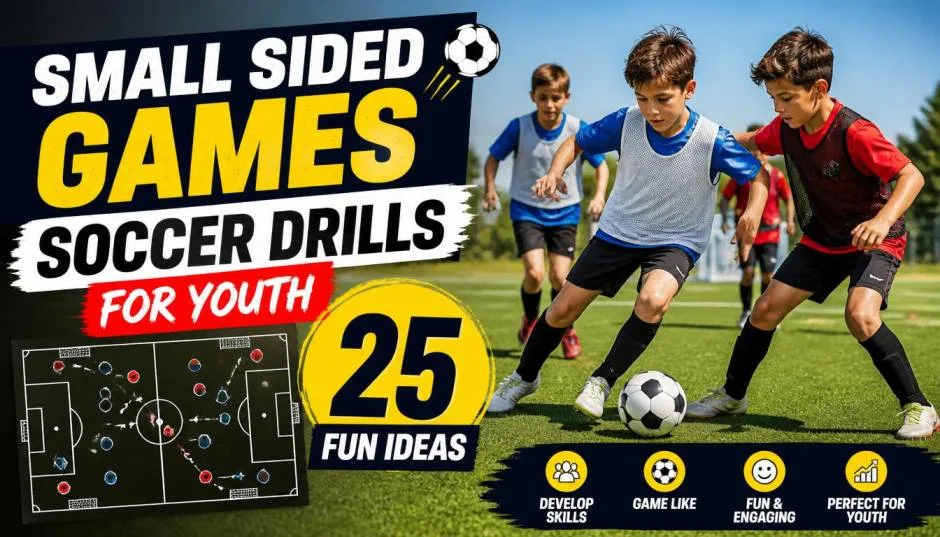
Small Sided Games Soccer Drills for Youth | 25 Fun Ideas
Honestly? The best youth soccer sessions I have ever run were not the ones with perfect passing lines or complicated drills. They were the ones where the kids barely noticed they were "training."
Small-sided games do exactly that. Fewer players, smaller fields, and more action. Every kid gets more touches, more shots, and more decisions to make.
If you are searching for small sided games soccer drills for youth, this guide gives you 25 ideas that actually work. No boring drills. No standing in lines. Just real soccer that builds game intelligence, technical skills, and keeps kids coming back for more.
Why Small-Sided Games Work Better for Kids?
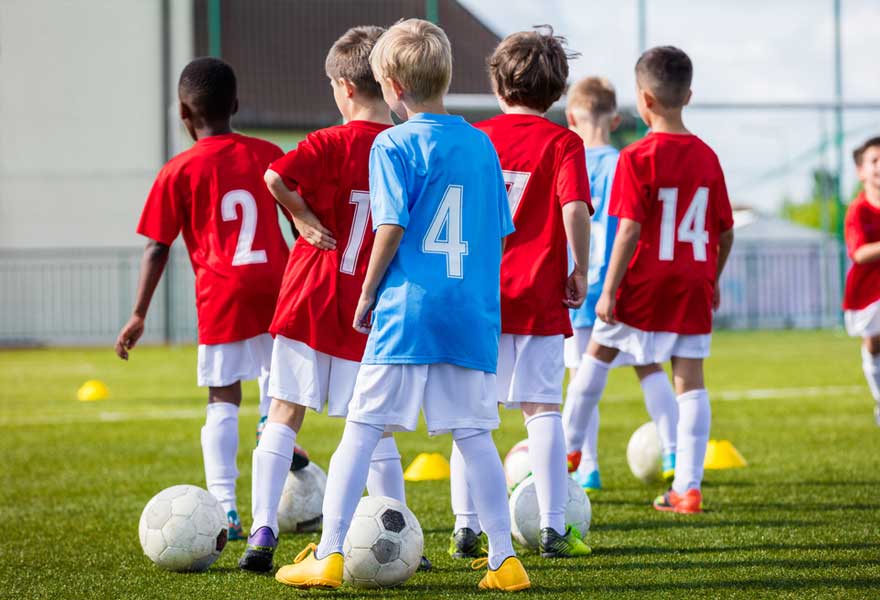
The old way of coaching youth soccer is dying. Good riddance. Standing in line waiting for a turn is boring. Kids learn by playing, not by listening to lectures.
Read Also: Soccer Rondo Variations: Dynamic Drills for Faster Cognitive Development and Game Realism
The "Let the game be the teacher" philosophy is key. Instead of telling kids what to do, small-sided games let them figure it out. They solve problems in real time. They make mistakes. They learn.
Why 3v3 and 4v4 are game-changers:
-
Every player touches the ball constantly
-
No hiding. Everyone attacks and defends
-
More goals. More excitement
-
Quick transitions between attack and defence
-
Players make hundreds of decisions per session
The FIFA Training Centre promotes 3v3 Funino as a powerful tool for developing game intelligence. Multiple goals, equal numbers, and a shooting zone all create a rich learning environment. Kids scan, switch play, and create passing options naturally.
Field Setup and Session Structure
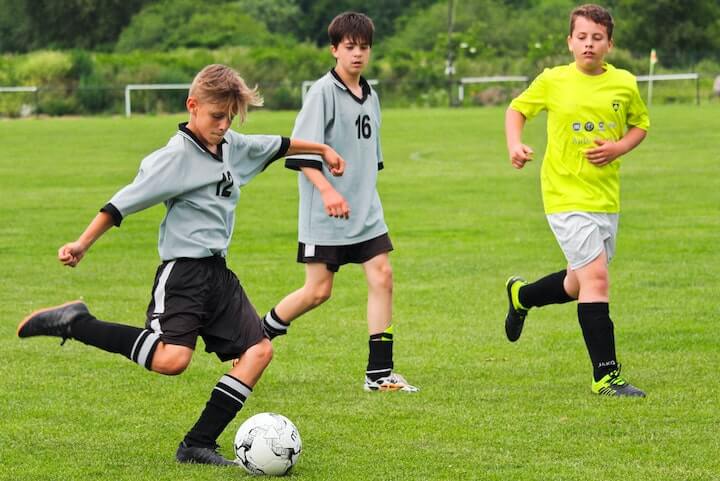
Getting the field right matters more than you think.
Age-based field sizes :
-
Ages 6-8: 15×20 yards for 3v3 games
-
Ages 9-12: 25×35 yards for 5v5 games
-
High school: 35×50 yards for 6v6 games
Player formats :
-
3v3: Maximum touches and involvement
-
4v4: Balances skill work with team tactics
-
5v5: More complex but still high-action
Equipment checklist:
-
Cones to mark fields
-
Coloured vests or pinnies
-
Small goals or cones (4-6 feet apart works fine)
-
Plenty of balls
Time and rotations: Run games for 10-25 minutes. Give 1-2 minute breaks. Rotate teams every few games to keep things fresh.
25 Small-Sided Game Ideas
Basic Games (Start Here)
1. 3v3 to Goal
The classic. Small goals at each end. Just play. Players learn to pass under pressure, move to support, and finish in tight spaces. No hiding.
2. Four Goal Game
Set up a 25×35 yard grid with four small goals—two per team on opposite sides. Teams attack one set of goals and defend the other. Score by passing or dribbling through a gate. Encourages scanning and switching play.
You Must Also Like: The Top 10 Best Football Managers in the World
3. End Zone Game
Mark 5-yard end zones at each end. Score by dribbling into the opponent's end zone. Builds confidence in 1v1 situations. Defenders learn to work together.
4. Out From The Back
Add wide channels as guidelines. Play always starts with the goalkeeper. Focus on supporting angles and playing forward when possible. No corners or throw-ins. Restarts always from the keeper.
5. Stuck In The Mud
Every player except one has a ball. The "tagger" tries to tag players. If tagged, freeze with legs spread. Unfreeze by passing a ball through their legs. Dribbling practice that feels like a game.
6. Two Ball Soccer
Each team has a ball. Keep possession of your ball while trying to steal the other team's ball. When one team has both balls, they score a point. Requires heads-up play and quick pressure.
7. Soccer Netball
Pass with hands, no running with the ball. Score by placing the ball in the opponent's goal. Develops movement off the ball and quick decision-making.
8. Numbers Game
Players start on the sidelines. Call numbers like "2 and 7". Those players sprint into the game. Creates 1v1 to 3v3 scenarios. Keeps everyone alert.
9. 4v4, No Keepers
Four small goals in the corners. Score by dribbling into a goal or stopping on the end line. No keepers means more goals and more attacking decisions.
10. Two Sided Goal Game
2v2 with a single goal in the middle. Goals can be scored from either side. Continuous flow. Great for transitions.
Games for Game Intelligence
These games are from the NSSDC Coaching Clinic and the FIFA Training Centre.
11. Dribble Into End Zones
Score by dribbling into the opponent's end zone. Defenders cannot enter end zones. Encourages taking players on and knowing when to keep possession instead.
12. Pass Into Boxes
Four boxes marked in corners. Score by passing to a teammate inside a box. Develops movement off the ball and quality passing. Progression: pass into the box for a teammate to run onto.
13. Shooting Octagon
Octagon-shaped field with goals. Encourage shooting at every opportunity. Play always restarts with the keeper. Spread out, shoot when space opens up. Follow up for rebounds.
14. One-Touch Shooting
4v4 with four target players. Pass to a target player who returns for a one-touch finish. Develops shooting technique and movement to support target players.
15. Penetration Game
Field divided into thirds. Complete a set number of passes in midfield before passing into an attacking third. Players learn to create penetrating passes.
16. Crossing and Finishing
Wide channels with target players. Goals only count from crosses. Two points for headers or volleys. Encourages width, crossing quality, and attacking runs.
17. High Pressure Defending
All players must be in the opponent's half to score. Forces high defensive pressure. Focus on staying compact and working as a unit.
18. Funino (3v3)
Developed by Horst Wein. 25×25m pitch, two mini-goals per team. Goals only count from inside the shooting zone. Creates constant transitions and develops game understanding.
19. Funino with Neutral Player
Add a neutral player who plays with the team in possession. Creates attacking overloads and challenges defenders to organise.
20. Funino Variation: Short and Wide Pitch
Increases importance of using full width. Attackers stretch the defence and switch play.
21. Funino Variation: Long and Narrow Pitch
Increases vertical progression. Players operate on different lines.
22. Funino Variation: Target Players
Adds a vertical passing option. Encourages forward play and third-player combinations.
Games That Include Goalkeepers
23. Sweeper-Keeper Drills
Set up a "recessed goal" (cones a few yards back from the touchline). Keepers can use hands behind the touchline. They can leave the space to join play (without hands). Develops confident, aggressive keepers.
24. 4v4 with Keepers
Include keepers in basic small-sided games. Restarts always start with the keeper. Encourages playing out from the back and distribution skills.
25. 2v2 or 3v3 with Keeper
Rotate players through goalkeeper. Everyone gets a chance. Teaches field players what keepers deal with and builds keeper confidence.
Coaching Tips That Work
Ask questions instead of giving answers. "What did you see there?" "Where was the space?". Kids remember what they figure out themselves.
Adjust the field first. Make it bigger if players need more time. Smaller if you want quick decisions and lots of touches .
Add conditions to target specific skills :
-
Two-touch maximum for quicker thinking
-
One-touch finishing for shooting technique
-
Must complete five passes before scoring
-
Can't pass back to the player who passed to you
Focus on game intelligence . Help players recognise:
-
When to switch play vs. attack directly
-
How movement creates space for teammates
-
Reading defensive pressure and exploiting gaps
What Research Shows?
A 2025 study compared passing-skill training with 3v3 games for youth female players. The passing-skills group improved passing accuracy significantly. The small-sided games group actually showed reduced accuracy in some tests.
Interesting, right? But here is the thing—the study measured only passing accuracy. Small-sided games develop so much more. Decision-making. Game intelligence. Transitions. Fun.
Bottom line: Use both. Technical practice has its place. But small-sided games build the whole player. They teach kids to think, not just execute.
Who These Games Work Best For?
Age: 6-16 (adaptable for older players too)
Skill level: Beginners to advanced
Group size: 6-20 players
Best for: Coaches who want practical, game-based sessions. Parents running fun practices. Anyone tired of boring drills.
Not ideal for: Coaches who want perfect, scripted drills (these games are messy by design). Players who prefer individual skill work. Sessions where the goal is specific technique isolated from game context.
The Final Thoughts
Small-sided games are the best way to develop youth soccer players. Period. More touches. More decisions. More fun. The 25 games in this guide give you everything you need to run engaging, effective sessions.
Start with the basic games. Watch how your players respond. Add conditions to target specific skills. Include goalkeepers once players are comfortable. Rotate teams to keep things fresh.
Most importantly—get out of the way. Let the game teach. Ask questions. Guide when needed. Your players will develop game intelligence naturally. And they will love every minute of it.